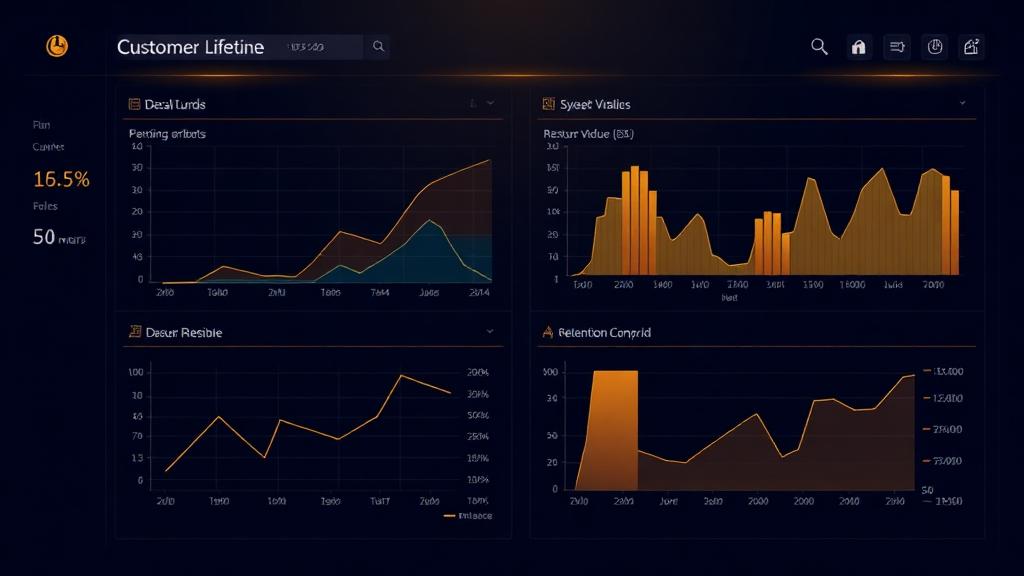
Why Standard CLV Is Dangerous
The traditional CLV formula—average purchase value × purchase frequency × customer lifespan—assumes linear retention. In reality, churn accelerates over time. A customer who survives month 3 is 4x more likely to survive month 12, but most models treat all months equally.
Why this matters to your P&L
Overestimating CLV by 40% means you're overpaying for acquisition by 40%. Your CAC:CLV ratio is likely worse than you think.
The Decay-Adjusted CLV Model
Our revised model applies a 90-day decay curve that front-loads churn probability and adjusts lifetime projections based on cohort-specific retention patterns. The result: CLV numbers that are 35–50% lower than traditional models but 90% more accurate in predicting actual revenue.
- Apply cohort-specific decay curves instead of average retention rates.
- Factor in advocacy multipliers that capture referral-driven revenue.
- Segment CLV by acquisition channel to identify true high-value sources.
- Update CLV calculations quarterly as retention patterns evolve.
Acting on Real Numbers
When clients recalculate CLV using our model, acquisition strategy shifts dramatically. Three clients reallocated 60%+ of their budget from channels that appeared profitable under traditional CLV but were actually unprofitable under decay-adjusted calculations.